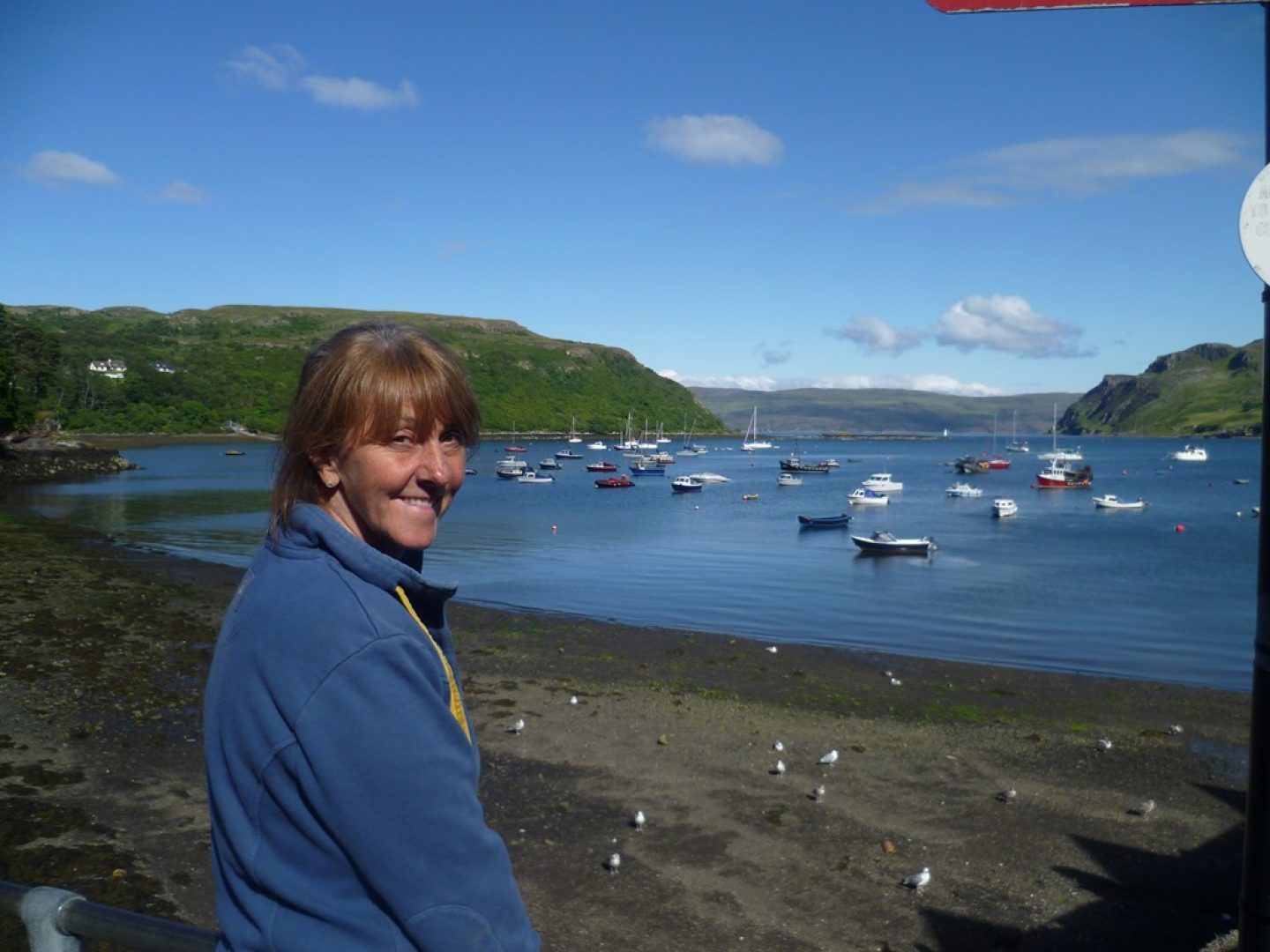

We had a few more days in Ayamonte socialising with a nice couple, Louis and Linda.

 We helped out an American boat that unfortunately got stuck in the mud going out at the wrong time.
  The entrance to Ayamonte hasn’t been dredged for a few years and it is a well-known problem in this marina that you need to enter and leave at high tide. Pity someone hadn’t thought to mention it to these poor people. Another boat had sunk before our eyes a few days previously despite us all trying to save her.
  We took a “Stroll “along to El Moral and Isla Canella which turned out to be a twelve mile round trip! But we did have some of the best tapas we have had yet, so well worth the scorching heat and near dehydration.
  Didn’t see any bird men though.
  This was just the start ……
 On it went ….. and on ……..
 And on
 Finally.


 Now only the trip back again!
 By a different route along the shoreline passeo or walkway


Month: June 2015
Rio Guadiana
We really liked Ayamonte; everything was easy, the supermarket was a two minute walk from the marina and town, good restaurants and shops just across the road. However, we managed to drag ourselves away to travel up the Guadiana River for a few days. Seemingly, the best time to go is in spring as the flowers are out and it is cooler. Since we are here in summer we had no option, so off we toddled up the river.

The Guadiana is one of the longest rivers in the Iberian Peninsula. Roman geographers like Pliny called it “Anas” and later the Arabs added the word “Uadi” meaning river, resulting in Uadi Ana and finally Guadiana.
Our first stop was Foz de Odeleite, seven miles upriver where we anchored for a night.

There were a scattering of boats, it was so peaceful.

You could hear the splash of fish jumping at flies in the dusk.
A further 10 miles or so was Alcoutim/Sanlucar.

Alcoutim is on the Portuguese side of the river and Sanluclar, the Spanish. We anchored in the middle erring towards Sanluclar. Both villages were lovely, perhaps a few more small restaurants in Alcoutim. We had a couple of nights at anchor before heading back down to Foz de Odeleite as it was extremely hot with very little breeze and nearing 94 degrees!

A mini “African Queen”

Breakfast feeding time for the duck family.

The current runs at about 3 knots so a bit of fun getting back to the boat.

We dinghied ashore for dinner even managed not to get Louise’s dress wet!

Alcoultim looking across to Sanluclar

And again

And again
Next morning another dinghy ride, this time to Alcoutim


That’s Camira in the middle distance with the awning.
Just as we arrived there the engine heating alarm had come on again. Obviously, it wasn’t the thermostat that was causing the problem as this had been changed in Villamoura.
Back to the drawing board. Headed back into Ayamonte marina where Gordon stripped the cooling system and cleaned various bits and bobs and ran vinegar through the engine, something an engineer in Lagos had used with a friend of ours when they were having the same problem. Hey presto, looks like we’re back up and running.
Rio Guadiana / Ayamonte
The Rio Guadiana forms part of the border between Portugal & Spain. The river which has strong currents is navigable to Pomarao some 25 miles upstream. On entering the river there are two small marinas – Villa Real de Santo Antonio on the Portuguese side and Ayamonte on the Spanish side. The former was largely rebuilt in the 18th century following destruction in the 1755 earthquake and tidal wave which decimated Lisbon as well as much of the Algarve. Ayamonte is a village of Greek origin and has a few old and interesting churches. This was our next stop for Tapas and is very traditional Spanish, great for watching the locals on their evening paseo.


Lagos to Culatra
Captain Chaos here (Gordon)
We left Lagos on the 10th of June and headed off along the coast to Portimao where we anchored for the night just behind the breakwater. Unfortunately it did very little to lessen the effect of the long Atlantic fetch and we spent a very rolly night. However the new Rocna anchor was very good.
From Portimao we had a nice sail in a force 3-4 along to Villamoura. The engine was overheating so it was a sail entrance between the breakwaters at Villamoura and used the engine sparingly to get from the arrivals berth round to our pontoon for the night. I took the cooling system apart and checked all likely culprits. It seemed that I had a sticky thermostat. I’ve always suspected I had one of those lol. Anyhow managed to source a replacement and we were mobile again.
Villamoura is a bit purpose built and you feel a wee bit closed in but still nice for a change – very pricy though.


The next day we again had little wind and motor sailed to Culatra. At least it tested the new thermostat.
Culatra is an anchorage east of the entrance to the Faro channel at Cabo de Santa Maria. There are sand banks to avoid on the entry and it gets quite lumpy with over falls and eddies with 7 knots of tide on spring ebb. It is working fishing village but has a very nice beach and lots of people come across from Faro & Olhao by water taxis for the day. As we were anchoring we got a call on the VHF from Liz & Dave, who were also in Lagos for the winter and we arranged to meet up later for them to show us around.


The trusty dinghy came out with the not so trusty two-stroke, which I had completely stripped and serviced in Salema. It did start 1st time and got us ashore and back before giving up the ghost on the next trip. Liz & Dave towed us back. Suspecting the worst I checked the fuel first though – there wasn’t any! – It was leaking -but an easy fix.

There is an old lagoon that you used to be able to enter however the maritime police have now cordoned it off. There are a number of liveaboards “locked in” some who have been there for 15 years, they are allowed out but no-one is getting back in. Clearing it by stealth.


The beach is a walk through the village and then onto a raised decking walkway to the other side of the island. At spring tides the gulley’s fill in up and it is very picturesque. To conserve water our daily shower was from a tap located on this walkway and a plastic bottle tipped over our heads. Luxury or not ?


One day we all took the ferry to Olhao only to find it was shut for a holiday! (Anyone remember last year’s blog when we did the same thing at Brest?) However the breakfast was good and was nice to at least have seen the place.


Most days ended with a sun downer and then back for tea on the boat followed by entertainment on someone’s boat for the evening. I won’t say too much about the afternoon Louise & Liz polished off 3 Jugs of Sangria between them.

On our penultimate day we all went a walk along to Farol at the Cabo de Santa Maria end of the island and got the ferry back. Farol was more Milngavie to Culatra’s Partick. Very pretty and looked like mostly holiday homes of people from Faro.


That night we had a farewell dinner ashore with most of the people from “C” Pontoon in Lagos. Liz & Dave had kindly invited us to their wedding anniversary meal in the coming week, but we were so low on water we had to sadly miss it , boo!


Jana’s spare ribs !
Jana organised a night out at the Garden restaurant for a group of us. She said we couldn’t leave Lagos without tasting these ribs. How right she was!


We’ve had a fantastic time since arriving in Lagos last September and have met some lovely people. Alas, all good things must come to an end and on the 10th June we set sail on our travels once again.
Further updates to come.

